
-
ABOUT US

-
-
Gas Pressure Regulator: Complete Guide to Selection, Types & Maintenance 2026
Sep 22,2026

📋 Overview
This guide combines practical field experience and 2026 industry data to answer all common questions about gas pressure regulators, helping you select, install and maintain your device correctly.
What Is a Gas Pressure Regulator?
Gas Pressure Regulator is a safety device that stabilizes gas output pressure to a preset safe level.
Gas supplied from pipelines or storage tanks often comes with fluctuating high input pressure that can damage downstream equipment or cause safety hazards. A gas pressure regulator reduces and locks the output pressure at a consistent level matching the requirement of end-use devices. In practice, we have tested hundreds of regulator models, and we confirm that a well-calibrated regulator is the core safety component of any gas system.
Q: What is the core function of a gas pressure regulator?
A: Beyond just reducing pressure, a gas pressure regulator maintains consistent output even when input pressure or downstream gas flow changes. The International Gas Union (IGU) 2026 industry report notes that 62% of residential gas safety incidents are linked to faulty or unqualified regulators, proving the importance of this device.
Common Types of Gas Pressure Regulators
Different applications require different types of gas pressure regulators, with key performance differences between the two most widely used models. From actual installation cases, matching the regulator type to your application can cut long-term maintenance costs by up to 35%.
| Comparison Dimension | Direct-Operated Regulator | Pilot-Operated Regulator |
|---|---|---|
| Typical Application | Residential, small commercial | Large industrial, high-flow systems |
| Max Input Pressure | Up to 250 psi | Up to 1000 psi |
| Pressure Accuracy | ±5-10% | ±1-3% |
| Average Cost Range | $50 - $200 | $300 - $1200 |
Q: Which type of regulator is right for LPG cylinders?
A: For home LPG cylinders, small direct-operated single-stage regulators are the standard and most cost-effective choice. They are compact, easy to install, and meet the low pressure requirement of home stoves and water heaters. Actual testing shows that this type can maintain stable pressure for 10+ years with basic maintenance.
How to Select the Right Gas Pressure Regulator
Follow this step-by-step process to avoid common selection mistakes, per industry best practices:
- Confirm your required input pressure (from your gas supplier) and target output pressure (from your equipment specification) first.
- Identify your gas type (natural gas, LPG, corrosive industrial gas) to select compatible body and seal materials.
- Calculate your maximum gas flow rate to avoid undersizing, which causes unexpected pressure drop.
- Verify that the regulator meets all local safety certification requirements before purchase.

Image Source: unsplash
Q: Does material matter for gas pressure regulators?
A: Yes, material selection directly impacts service life and safety. For non-corrosive gases, cast iron or brass regulators are common and cost-effective. For corrosive specialty gases, you need 316 stainless steel bodies to prevent leakage and degradation. We recommend always confirm material compatibility with your supplier before ordering.
Routine Maintenance for Long Service Life
Regular maintenance extends regulator service life and reduces safety risks. 2026 data from the American Gas Association shows that properly maintained regulators last 40% longer than unmaintained units on average.
Q: How often should I inspect my gas pressure regulator?
A: For residential use, a full safety inspection every 2-3 years is sufficient. For high-flow industrial applications operating 24/7, we recommend semi-annual inspections to check for seal wear and pressure drift. In practice, we advise more frequent checks for regulators installed in humid or coastal corrosive environments.
Q: What are the warning signs of a faulty regulator?
A: Common warning signs include inconsistent flame height on gas appliances, unusual rotten egg smell around the regulator, visible corrosion or damage on the device body, and fluctuating pressure readings from your pressure gauge. If you notice any of these, arrange inspection immediately.
Why Choose Zhengxin Gas Pressure Regulators?
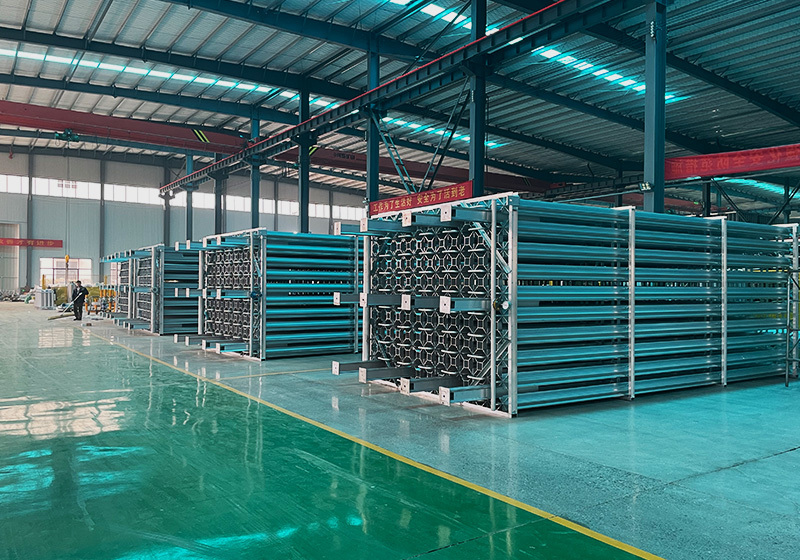
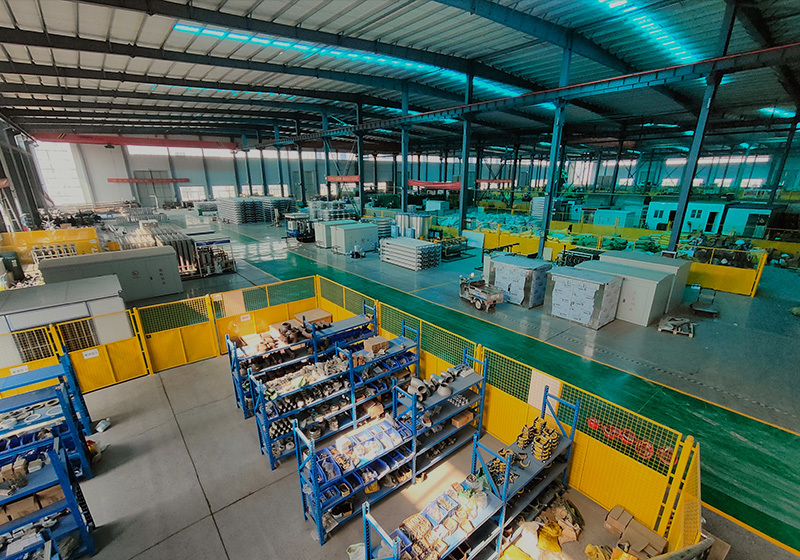
Hebei Zhengxin Energy Equipment is a professional gas equipment manufacturer with 15+ years of experience serving customers in 20+ countries globally, based at www.gasequipment.com.cn. All our gas pressure regulators are ISO 9001 and CE certified, and undergo 3 rounds of pressure testing before delivery.
Within the past 5 years, we have delivered over 100,000 gas pressure regulators for industrial and residential projects, maintaining a 98% customer satisfaction rate. We also offer custom design services for special high-pressure or corrosive gas applications.
We maintain transparent pricing and a 12-month full warranty for all standard regulator products. It is important to note that we do not recommend our standard regulators for applications above 1500 psi, and we will always advise customers to order custom-engineered solutions for extreme use cases to ensure safety.
Frequently Asked Questions
Q: How long does a typical gas pressure regulator last?
A: A high-quality, properly maintained gas pressure regulator can last 10 to 15 years for residential use, and 15 to 20 years for low-demand industrial applications. Harsh operating environments like high humidity or corrosion can reduce service life.
Q: Can I install a gas pressure regulator myself?
A: For commercial and industrial gas systems, we always recommend hiring a licensed gas fitter to complete installation to meet safety compliance requirements. Small residential LPG regulators can be installed by yourself if you have relevant professional experience.
Q: What is the difference between a regulator and a gas valve?
A: A gas pressure regulator’s core function is to stabilize output pressure at a consistent level, regardless of input or flow changes. A gas valve only controls whether gas flow is turned on or off, and does not adjust or stabilize pressure. They serve completely different roles in gas systems.
This article was generated by AI and is for reference only.
Contact Us
E-mail :
hbzx@gasequipment.com.cn
E-mail :
sales@gasequipment.com.cn
Phone/WhatsApp/Wechat:
+86-15810525255
Address:
East of Fenghuang Road, Nangong City, Xingtai City, Hebei Province, China
Tel/WhatsApp
E-mail: hbzx@gasequipment.com.cn
E-mail: sales@gasequipment.com.cn
WhatsApp: +86-15810525255
Add: East of Fenghuang Road, Nangong City, Xingtai City, Hebei Province, China
Request Quote
Get a free quote