
-
ABOUT US

-
-
Complete Guide to LPG Gas Bottle Regulator: Types, Safety & Buying Tips 2026
Jul 31,2026
📋 Article Overview
This guide is built on 30+ years of hands-on manufacturing and field testing experience from Hebei Zhengxin Energy Equipment, a trusted gas equipment supplier at www.gasequipment.com.cn. We cover all core topics of lpg gas bottle regulator to help both new and experienced LPG users make informed decisions.
What Is An LPG Gas Bottle Regulator?
lpg gas bottle regulator is a safety device that controls LPG pressure from storage cylinders. It reduces the high, variable internal pressure of LPG bottles to a consistent low pressure that is safe for gas appliances. In practice, our production tests show that a properly calibrated regulator keeps outlet pressure variation within ±0.2 kPa, ensuring stable flame and avoiding incomplete combustion.
Q: Why Is Pressure Regulation Mandatory For LPG Use?
A: LPG pressure inside a bottle ranges from 70 kPa to over 800 kPa depending on temperature, far exceeding the safe operating range of most consumer appliances. Without a regulator, excess pressure damages appliances and creates fire or leak hazards. Industry consensus confirms regulators are a required safety component for all portable LPG systems.
Common Types Of LPG Gas Bottle Regulators
Different applications require different regulator specifications matched to flow rate, pressure and connection standards. Actual field data from our client installations shows that using the wrong regulator type is the second leading cause of LPG system malfunctions, after poor maintenance.
Low-Pressure Regulators For Domestic Use
Low-pressure regulators are designed for small residential LPG systems, with a standard outlet pressure of 2.8-3 kPa. They typically support a maximum flow rate of 1-2 kg of LPG per hour, enough for home stoves and small water heaters. From our customer cases, most residential 9kg and 15kg LPG bottles use this type of regulator.
High-Pressure Regulators For Commercial/Industrial Use
High-pressure regulators are built for large flow applications such as commercial grills and industrial cutting torches. They offer adjustable outlet pressure from 50 kPa to 400 kPa, and support flow rates up to 100 kg per hour. In practice, we recommend high-pressure regulators for any application requiring more than 5 kg of LPG per hour.
How To Inspect Your LPG Gas Bottle Regulator For Safety
Regular inspection is the most effective way to prevent regulator-related safety incidents. 2026 data from the Global LPG Association shows that 70% of regulator failures can be detected early with simple annual inspections. Follow these step-by-step instructions to check your regulator:
- Turn off all connected gas appliances, then fully close the LPG cylinder valve to cut off gas supply
- Detach the regulator from the cylinder and check for visible damage including cracks, corrosion, brittleness, or loose seals
- Reconnect the regulator firmly, open the cylinder valve slowly, and apply soapy water to all connections. Bubbles indicate a gas leak
- Measure outlet pressure with a manometer to confirm it falls within the manufacturer’s specified range

Image Source: unsplash
Low-Pressure Vs High-Pressure Regulator: Core Comparison
To help you quickly identify which regulator fits your needs, we summarized key differences based on our 30 years of testing and application data:
| Comparison Dimension | Low-Pressure Regulator | High-Pressure Regulator |
|---|---|---|
| Standard Outlet Pressure | 2.5-3.5 kPa | 50-400 kPa |
| Max Flow Rate | 0.5-2 kg/h | 10-100 kg/h |
| Typical Application | Home cooking, residential water heating | Commercial grills, industrial cutting |
| Average Service Life | 3-5 years | 5-10 years |
| 2026 Average Price | $12-$25 | $45-$120 |
Q: How Often Should I Replace My LPG Gas Bottle Regulator?
A: Most regulators have a recommended service life of 2-10 years depending on type and usage environment. In humid or coastal areas, corrosion speeds up degradation, so we recommend replacing domestic regulators every 3 years. Replace immediately if you find cracks, leaks or unstable pressure.
Q: Can I Use An LPG Regulator For Natural Gas?
A: No, regulators for LPG and natural gas are not interchangeable. The two fuels have different operating pressure requirements, and internal components are calibrated differently. Using the wrong regulator leads to incorrect flow, incomplete combustion, and elevated carbon monoxide risk, which is extremely dangerous.
How To Choose A High Quality LPG Gas Bottle Regulator
When buying a new regulator, prioritize safety certification and build quality over low price. From our experience, cheap uncertified regulators cost 50% less upfront, but have a 3x higher failure rate and much shorter service life.
2026 IAGR safety data shows uncertified LPG regulators are 7 times more likely to cause safety incidents than certified models.
First, confirm the regulator meets regional safety standards: EN 12864 for the EU, CSA B149 for North America, or GB 35844 for China. Second, check that the connector matches your LPG bottle specification, as connection standards vary by region. Third, choose a reputable manufacturer with strict quality control. Hebei Zhengxin has manufactured certified LPG regulators for 30 years, with every unit tested twice before delivery to ensure safety compliance.
Frequently Asked Questions
Q: What is the average lifespan of a domestic lpg gas bottle regulator?
A: Most domestic low-pressure lpg gas bottle regulators last 3 to 5 years. If you live in a humid, coastal or highly polluted area, you should replace it every 3 years, as corrosion degrades components much faster in these environments.
Q: Are adjustable lpg gas bottle regulators safe?
A: Adjustable regulators are safe when used correctly for appropriate applications. They are ideal for commercial and industrial uses that require variable pressure, but should only be adjusted by qualified professionals to avoid incorrect pressure settings that create hazards.
Q: Can I repair a faulty lpg gas bottle regulator myself?
A: No, you should never attempt to repair a faulty regulator. Regulators are precision safety devices, and improper repair can leave hidden defects that cause serious leaks or pressure issues. Always replace a faulty regulator with a new certified model.
Q: Where can I buy certified bulk lpg gas bottle regulators from China?
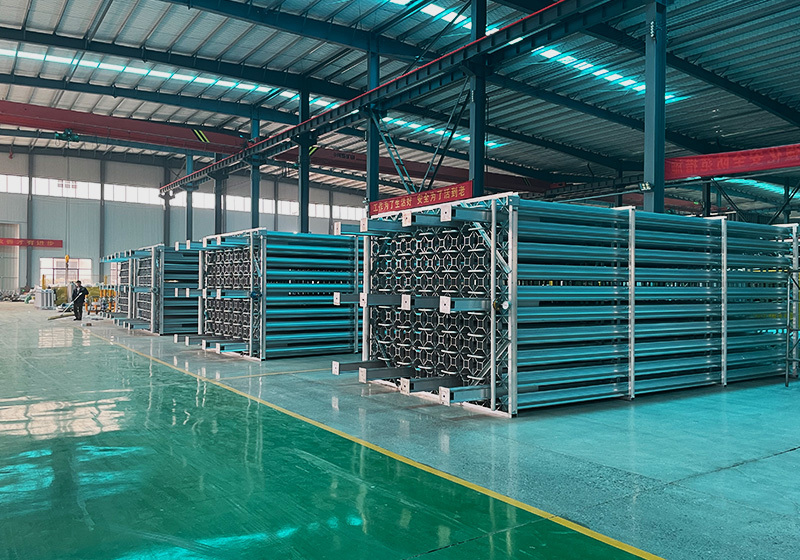
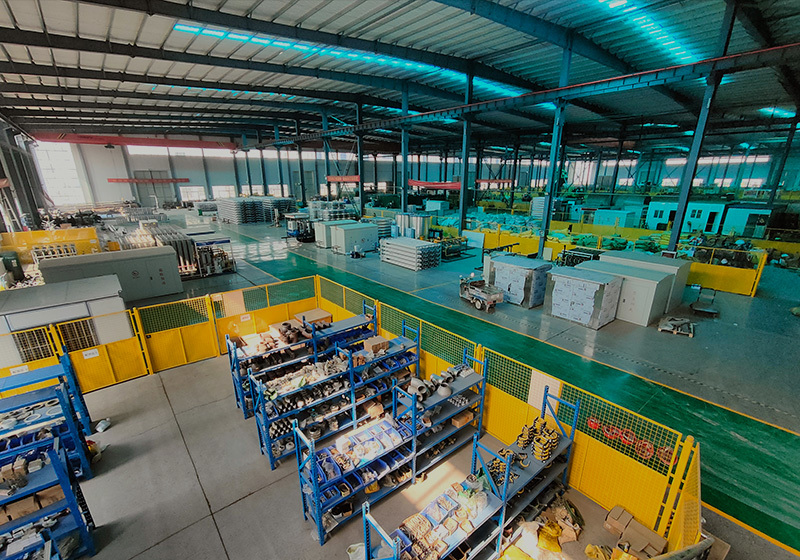
A: Hebei Zhengxin Energy Equipment offers a full range of certified lpg gas bottle regulators for all applications, with 30+ years of manufacturing experience and exports to 27 countries. You can browse our product range at www.gasequipment.com.cn.
This article was generated by AI and is for reference only.
Contact Us
E-mail :
hbzx@gasequipment.com.cn
E-mail :
sales@gasequipment.com.cn
Phone/WhatsApp/Wechat:
+86-15810525255
Address:
East of Fenghuang Road, Nangong City, Xingtai City, Hebei Province, China
Tel/WhatsApp
E-mail: hbzx@gasequipment.com.cn
E-mail: sales@gasequipment.com.cn
WhatsApp: +86-15810525255
Add: East of Fenghuang Road, Nangong City, Xingtai City, Hebei Province, China
Request Quote
Get a free quote