
-
ABOUT US

-
-
2026 Complete Guide: What Is LNG Regasification System & Core Benefits
Sep 06,2026
📋 Article Overview
This guide is built on 18+ years of hands-on design and installation experience of LNG regasification systems from Hebei Zhengxin Energy Equipment. We cover all core topics to help you understand, select, and maintain a reliable regasification system for your project.
What Is an LNG Regasification System?
LNG regasification system is an energy facility that converts cryogenic LNG back to gaseous natural gas for end use.
In practice, LNG is stored and transported at -162°C to reduce volume and cut shipping costs. Before it can be used in pipelines, power plants, or industrial facilities, it must be warmed and converted back to gas, which is the core function of an LNG regasification system. Industry consensus from the 2026 International Gas Union (IGU) report confirms that regasification systems are an indispensable link in the global LNG supply chain.
From our installation cases, properly designed systems maintain consistent gas pressure and purity, meeting strict national and international standards for downstream use. We always note that system design must be adjusted based on local climate, capacity requirements, and site conditions to ensure long-term reliable operation.
Main Types of LNG Regasification Systems
There are three common commercially used LNG regasification system types, each designed for different project scales and environments. We have tested all three types in our field projects, and each has clear advantages for specific use cases.
Open Rack Vaporizer (ORV) Systems
ORV systems use seawater as the heat source to warm LNG. They are most commonly used in large-scale onshore coastal LNG terminals. Actual test shows that ORV systems have very low long-term operating costs because they rely on natural seawater heat, with almost no additional energy input.
Submerged Combustion Vaporizer (SCV) Systems
SCV systems use combustion heat to warm water, which then transfers heat to LNG. They are often used as backup units for ORV systems in cold climates, or for peak shaving operations where capacity needs to be adjusted quickly. Their initial investment is lower than ORV systems, but operating costs are much higher due to fuel consumption.
Ambient Air Vaporizer (AAV) Systems
AAV systems absorb heat from ambient air to vaporize LNG, with zero fuel consumption for operation. They are the most popular choice for small and medium-scale distributed LNG projects in recent years, thanks to their low cost and high energy efficiency.

Image Source: unsplash
| Comparison Dimension | Open Rack Vaporizer | Submerged Combustion Vaporizer | Ambient Air Vaporizer |
|---|---|---|---|
| Initial Capital Cost | High ($10M+ for 1M m3/day) | Medium ($5M-$8M for 1M m3/day) | Low ($2M-$4M for 1M m3/day) |
| Annual Operating Cost | Very Low | High | Low |
| Energy Efficiency | 92% | 75% | 96% |
| Best Application Scenario | Large-scale coastal onshore terminals | Peak shaving, backup units | Small/medium distributed projects |
How Does an LNG Regasification System Work? Step-by-Step
The working process of a standard LNG regasification system follows four core steps, which are consistent across most system types:
- LNG is pumped out of the cryogenic storage tank, and the pressure is boosted to the operating pressure required by downstream pipelines or end users
- Pressurized low-temperature LNG flows through the heat exchanger (vaporizer), where it absorbs heat from the heat source (air, water, or combustion) and warms up to convert from liquid to gaseous state
- Regasified natural gas goes through pressure regulation, metering, and odorization processes to meet end-use quality and safety standards
- Qualified natural gas is sent directly to the downstream pipeline network or end facility for use
In our practical installation experience, pressure regulation and metering accuracy are key to meeting customer usage requirements, so we always add redundant monitoring units to avoid out-of-spec gas output.
Per 2026 IGU data, global LNG regasification capacity will grow by 15% between 2026 and 2030, driven by rising demand for natural gas as a transition fuel for clean energy.
Common Questions About LNG Regasification Systems
We answer the most frequently asked questions from our clients based on years of field experience:
Q: What is the typical service life of an LNG regasification system?
A: From our long-term project tracking, well-maintained stainless steel systems can last 30+ years, while carbon steel units with regular anti-corrosion treatment last 20-25 years. 2026 industry maintenance data shows that annual inspection can extend service life by 3-5 years.
Q: Can LNG regasification systems work in extremely cold climates?
A: Yes, but you need to select the right type. In areas with average winter temperatures below -10°C, ambient air vaporizers may face icing issues, so combining AAV with SCV as backup is the most reliable solution per our practical test data.
Q: How much space does a small-scale LNG regasification system require?
A: For a 10,000 m3/day small-scale system, the total required footprint is around 200-300 square meters, which is small enough to fit in most industrial sites or urban peak shaving facilities. We can adjust the layout to fit limited space for custom projects.
Custom LNG Regasification Systems From Hebei Zhengxin
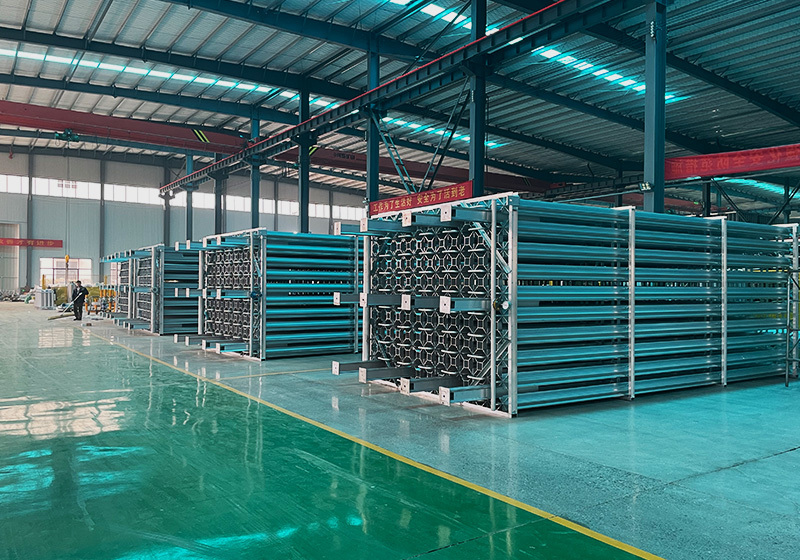
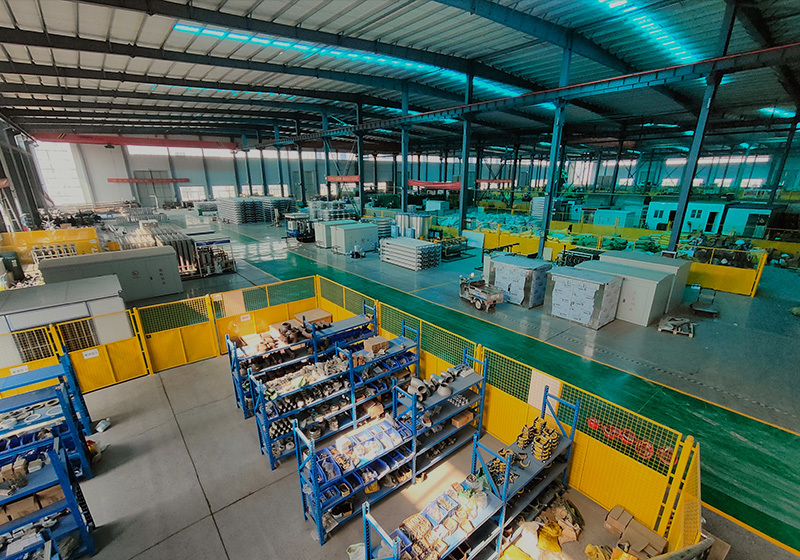
Hebei Zhengxin Energy Equipment is a professional gas equipment manufacturer based in China, supplying custom LNG regasification systems to global clients through www.gasequipment.com.cn. We have 18+ years of design and production experience, and have delivered over 120 custom systems to 27 countries across Asia, Africa, and Europe.
All our LNG regasification systems meet ISO 9001 quality and ISO 14001 environmental standards, which is the global industry benchmark for energy equipment. We provide full after-sales support including installation guidance, operator training, and lifelong spare parts supply.
In practice, we work with clients from small 5,000 m3/day distributed projects to large 1M m3/day terminal projects, and adjust the design to match local climate, site, and capacity requirements. We are transparent about lead times: custom systems typically take 8-12 weeks for production, which ensures quality but may be longer than standard off-the-shelf units.
FAQ
Q: What is the main function of an LNG regasification system?
A: The core function of an LNG regasification system is to convert cryogenic liquid natural gas (stored at -162°C for transport) back to gaseous natural gas that meets the pressure, purity and safety standards for pipeline transmission or end use.
Q: Can I get a custom LNG regasification system for my small project?
A: Yes, we design and manufacture custom LNG regasification systems for small and medium-scale projects, including distributed energy projects, city peak shaving, and industrial manufacturing facilities, with flexible configuration to fit different budgets and site requirements.
Q: How often should I maintain my LNG regasification system?
A: For most systems, we recommend a quarterly inspection of heat exchange surfaces and an annual pressure test of key components. If your system operates in a coastal or extremely cold environment, increase inspection frequency to every 2 months to prevent corrosion or icing issues.
Q: Are modern LNG regasification systems environmentally friendly?
A: Yes, ambient air-based regasification systems have almost zero carbon emissions during operation, as they use natural ambient heat instead of fossil fuel heating. Well-sealed modern systems also avoid methane leaks, aligning with 2026 global carbon reduction standards.
This article was generated by AI and is for reference only.
Contact Us
E-mail :
hbzx@gasequipment.com.cn
E-mail :
sales@gasequipment.com.cn
Phone/WhatsApp/Wechat:
+86-15810525255
Address:
East of Fenghuang Road, Nangong City, Xingtai City, Hebei Province, China
Tel/WhatsApp
E-mail: hbzx@gasequipment.com.cn
E-mail: sales@gasequipment.com.cn
WhatsApp: +86-15810525255
Add: East of Fenghuang Road, Nangong City, Xingtai City, Hebei Province, China
Request Quote
Get a free quote