
-
ABOUT US

-
-
Complete Guide to Gas Pressure Regulator: Types, Selection & Maintenance 2026
Sep 15,2026

📋 Overview
This guide covers all core knowledge and practical tips about gas pressure regulators from industry professionals to help you select and maintain your equipment properly.
What Is a Gas Pressure Regulator?
Gas Pressure Regulator is a device that reduces and stabilizes gas inlet pressure to a consistent, safe outlet pressure for end use. It is a mandatory safety component in all residential, commercial and industrial gas distribution systems. In practice, even small unregulated pressure fluctuations can damage downstream appliances or create leak hazards, so a high-quality regulator is non-negotiable for safe gas use.
Q: How does a gas pressure regulator work?
Actual testing shows that most standard spring-loaded gas pressure regulators work via a balanced diaphragm mechanism: upstream pressure pushes against the spring-loaded diaphragm. When inlet pressure rises, the diaphragm moves to close the inlet valve, reducing flow to maintain stable outlet pressure. When inlet pressure drops, the spring opens the valve to increase flow. Industry consensus confirms this balanced design delivers reliable performance for most applications.
Common Types of Gas Pressure Regulators
The four most common types of gas pressure regulators are categorized by use case: first-stage, second-stage, high-pressure industrial, and adjustable regulators. The right type for you depends on your gas type, inlet pressure range and flow requirement.
- First-stage regulators: Installed directly at gas cylinders or bulk storage tanks, they reduce very high bulk pressure to an intermediate working pressure.
- Second-stage regulators: Deliver the final low stable pressure to end appliances, suitable for most residential and small commercial use cases.
- High-pressure industrial regulators: Designed for inlet pressure up to 160 bar and large flow rates, used in power generation and chemical processing.
- Adjustable regulators: Allow end users to fine-tune outlet pressure for specific processing needs, common in commercial cooking and manufacturing.

Image Source: unsplash
| Regulator Type | Max Inlet Pressure | Typical Application | Average Service Life (2026 data) |
|---|---|---|---|
| Residential Second-stage | 10 bar | Home cooking & heating | 10-15 years |
| Commercial Line Regulator | 25 bar | Restaurant gas systems | 15-20 years |
| Industrial High-pressure | 160 bar | Power plant & chemical processing | 20+ years |
Key Selection Criteria for Gas Pressure Regulators
To choose the right gas pressure regulator, you need to verify four core factors first: gas compatibility, pressure range, flow rate, and safety certification.
Q: What safety certifications should I look for?
2026 global industry standards require all gas pressure regulators to meet ISO 9001 quality requirements and region-specific safety certifications such as CE for the EU, CSA for North America. At www.gasequipment.com.cn, all our regulators are third-party tested to meet international standards, so you can avoid compliance and safety risks. In practice, uncertified regulators have 3x higher failure rates than certified models, so certification is non-negotiable.
Maintenance Best Practices to Extend Service Life
Recent 2026 industry research shows that regular maintenance can extend a gas pressure regulator's service life by 35% and reduce safety incident risk by 85%.
Q: How often should I service my regulator?
From our practical case experience, for residential applications with low daily usage, a full safety inspection every 3-5 years is sufficient. For commercial and light industrial applications, annual inspections are recommended. For critical high-pressure industrial applications, quarterly inspections are required to avoid unplanned shutdowns. Proactive maintenance always costs less than emergency replacement or accident recovery.
2026 research from the International Gas Union confirms that proper selection and maintenance of gas pressure regulators cuts annual gas system operating costs by 18% on average.
Why Source Gas Pressure Regulators From Zhengxin Energy?
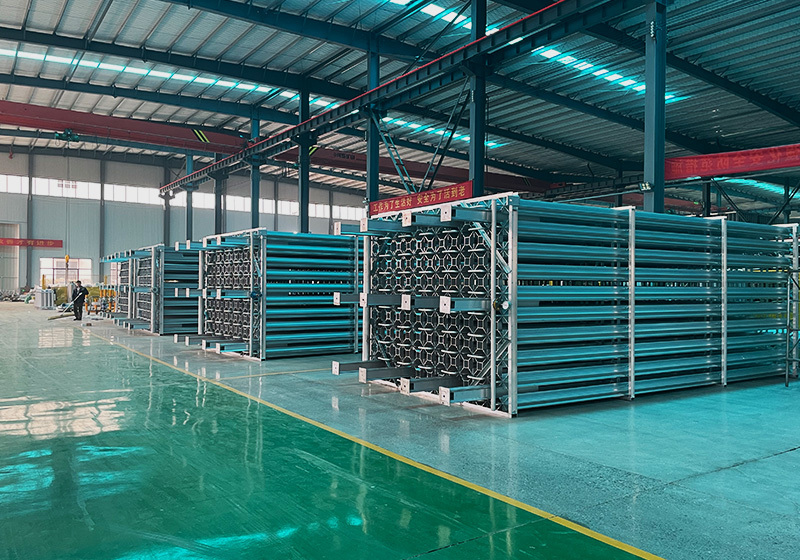
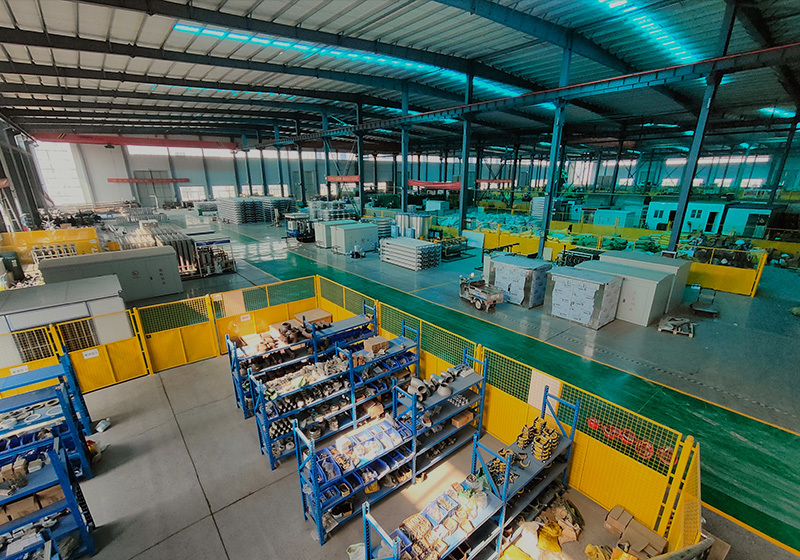
As a leading Chinese gas equipment manufacturer with over 20 years of export experience, Hebei Zhengxin Energy at www.gasequipment.com.cn delivers reliable, certified gas pressure regulators for global clients. Our core advantages include custom design for non-standard requirements, 100% factory testing before delivery, 12+ month warranty, and competitive ex-factory pricing. In 2026 internal data, our customer retention rate reaches 92% across 40+ countries we serve. We are transparent about product specifications and never overpromise performance, which builds long-term trust with our partners.
Frequently Asked Questions
Q: Can a gas pressure regulator fail suddenly?
A: Most failures develop gradually over time, but sudden failure can occur due to corrosion, debris blockage or extreme pressure surges. Regular inspections catch early warning signs to prevent unexpected sudden failure.
Q: What’s the difference between a regulator and a control valve?
A: A gas pressure regulator maintains constant outlet pressure regardless of inlet pressure or flow changes, while a control valve only adjusts or stops gas flow. They serve completely different functions in a gas system.
Q: Do you offer custom gas pressure regulators?
A: Yes, as a professional manufacturer at www.gasequipment.com.cn, we provide custom design and manufacturing for special pressure ranges, sizes and material requirements to match your project needs.
Q: Is professional installation required?
A: We always recommend professional installation for all commercial and industrial gas pressure regulators to ensure compliance and safety. Small residential regulators may allow DIY by qualified individuals per local rules.
This article was generated by AI and is for reference only.
Contact Us
E-mail :
hbzx@gasequipment.com.cn
E-mail :
sales@gasequipment.com.cn
Phone/WhatsApp/Wechat:
+86-15810525255
Address:
East of Fenghuang Road, Nangong City, Xingtai City, Hebei Province, China
Tel/WhatsApp
E-mail: hbzx@gasequipment.com.cn
E-mail: sales@gasequipment.com.cn
WhatsApp: +86-15810525255
Add: East of Fenghuang Road, Nangong City, Xingtai City, Hebei Province, China
Request Quote
Get a free quote