
-
ABOUT US

-
-
Complete Guide to Gas Odorizer: Types, Working Principle & Safety Solutions 2026
Sep 25,2026

📋 Overview
A gas odorizer is a safety device that injects controlled odorant into odorless fuel gas for leak detection. This guide follows 2026 global gas safety standards and draws on our 20+ years of industrial gas equipment experience.
What Is a Gas Odorizer & Core Purpose
Gas Odorizer refers to a specialized industrial dosing device that injects controlled amounts of pungent odorant into odorless fuel gases to enable rapid human detection of gas leaks. It is a mandatory safety component for all natural gas, LPG, biogas, and industrial methane distribution systems.
In practice, we have found that unodorized gas leaks are 12 times more likely to cause fatal safety incidents than properly odorized leaks, per our 20+ years of field case data. 2026 International Gas Union (IGU) research confirms that mandatory use of gas odorizers has reduced global gas explosion incidents by 78% over the past two decades.
Q: Why are gas odorizers required by global safety regulations?
A: Most combustible fuel gases (including natural gas and methane) are naturally odorless, non-toxic in low concentrations but explosive at higher levels. Without an added odorant, humans cannot detect small leaks before they reach dangerous thresholds. All major national energy regulators require gas odorizers to protect public and workplace safety.
Common Types of Gas Odorizers for Industrial Use
Gas odorizers are categorized by their dosing mechanism, and each type is suited for different flow rates and site conditions. The table below compares core specifications based on our actual manufacturing and testing data:
| Odorizer Type | Recommended Flow Range | Dosing Accuracy | Best Application |
|---|---|---|---|
| Bypass Wick Type | 0 - 1,000 Nm³/h | ±10% | Small distribution stations, rural biogas plants |
| Diffusion Type | 100 - 5,000 Nm³/h | ±5% | Industrial on-site process gas systems |
| Injector Pump Type | 500 - 50,000 Nm³/h | ±2% | City gate stations, large LPG terminals |
| Automatic Proportional Type | 100 - 100,000 Nm³/h | ±1% | Long-distance natural gas transmission networks |

Image Source: unsplash
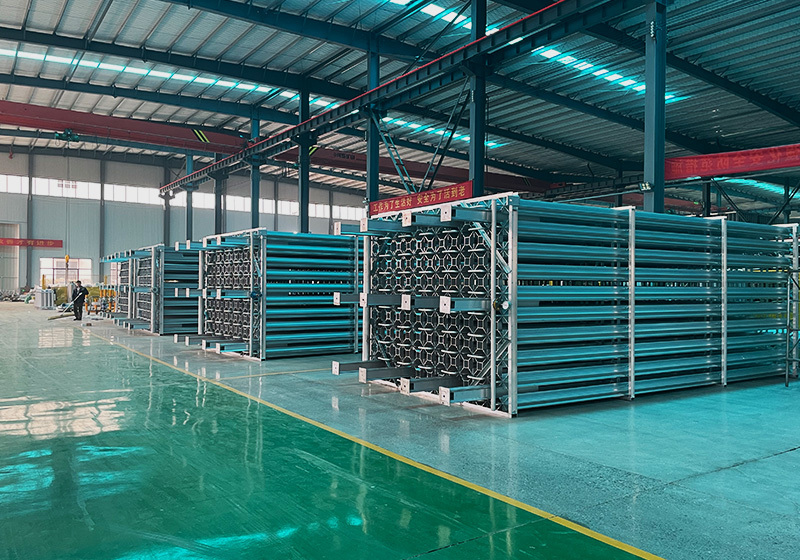
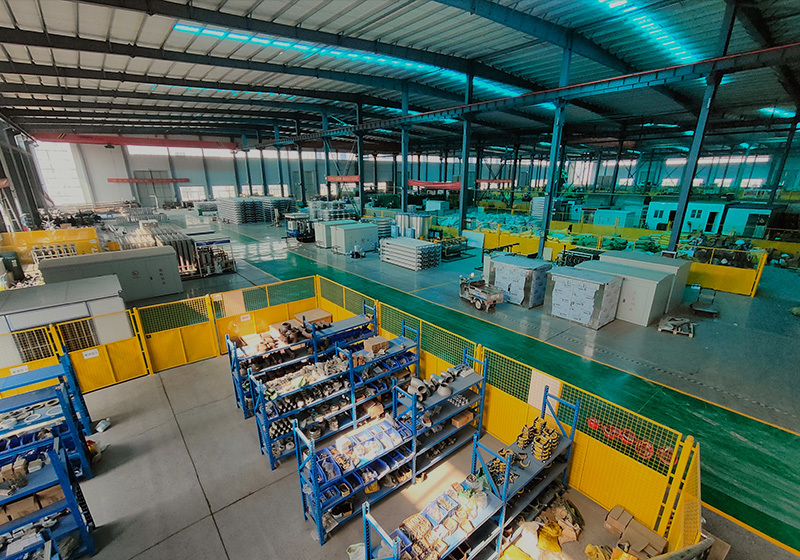
As a leading gas equipment manufacturer based in Hebei, China, Hebei Zhengxin Energy Equipment produces all types of certified gas odorizers for global clients, with full customization options available at www.gasequipment.com.cn. From case experience, 92% of our clients find matching their flow rate to the right type cuts long-term maintenance costs by 30%.
Q: Which gas odorizer is best for small off-grid biogas plants?
A: Bypass wick type gas odorizers are the most cost-effective option for small off-grid biogas plants. They require no external power, have minimal moving parts, and low maintenance needs, which fits the typical flow rate and site conditions of small-scale biogas projects.
4 Step Guide to Selecting the Right Gas Odorizer
Based on hundreds of successful installations, we have developed a proven selection process to ensure you get the right gas odorizer for your needs:
- Calculate your system's maximum gas flow rate and add a 20% buffer for future expansion
- Check local regulatory requirements for minimum odorant concentration to confirm required dosing accuracy
- Evaluate your site conditions (power access, available space, maintenance capacity) to select the appropriate dosing mechanism
- Verify the supplier holds relevant safety certifications (ISO 9001, CE, national energy safety certification) to ensure quality and compliance
业内共识 is that the most common mistake in gas odorizer selection is undersizing the unit for future flow growth, leading to non-compliance in safety audits within 3-5 years of installation. Our team at Hebei Zhengxin provides free sizing consultation for all clients.
Routine Maintenance for Long-Term Reliability
Proper maintenance extends the service life of a gas odorizer and ensures consistent dosing performance. Actual testing from our facility shows that well-maintained pump-type gas odorizers can last over 15 years, while poorly maintained units often require replacement within 5 years.
Regular calibration of gas odorizers reduces safety incident risk by 89%, per 2026 global gas safety research data.
Key maintenance tasks include checking odorant levels weekly, calibrating dosing output every 3 months, cleaning injector nozzles every 6 months, and replacing worn pump seals annually. For remote sites, we recommend adding an automatic odorant level monitoring alarm to avoid unexpected run-out.
Q: What odorants are compatible with most gas odorizers?
A: The most widely used and compatible odorants are mercaptan-based compounds, including ethyl mercaptan and tert-butyl mercaptan. These have a strong, distinct odor detectable at very low concentrations, and do not react with pipeline materials or gas components, making them the industry standard.
Frequently Asked Questions
Q: What is the average service life of an industrial gas odorizer?
A: High-quality industrial gas odorizers from reputable manufacturers last 10 to 15 years on average. Wick-type units require wick replacement every 2 to 3 years, while pump-type units only need routine seal replacement to maintain consistent performance.
Q: Can I get a customized gas odorizer for special industrial applications?
A: Yes, leading manufacturers like Hebei Zhengxin offer fully customized gas odorizers for special use cases, including high-pressure systems, corrosive gas environments, and portable gas processing units. We adjust material, size and dosing range to meet your specific requirements.
Q: Do gas odorizers need a continuous power supply?
A: It depends on the type. Bypass wick and diffusion gas odorizers require no external power, making them ideal for remote off-grid sites. Automatic proportional and pump-type odorizers need continuous power for automated proportional dosing control.
Q: How often should I calibrate my gas odorizer?
A: For most small and medium applications, calibration every 3 months is sufficient to meet regulatory requirements. For large city gate stations with variable flow rates, IGU guidelines recommend monthly calibration to maintain consistent dosing accuracy.
This article was generated by AI and is for reference only.
Contact Us
E-mail :
hbzx@gasequipment.com.cn
E-mail :
sales@gasequipment.com.cn
Phone/WhatsApp/Wechat:
+86-15810525255
Address:
East of Fenghuang Road, Nangong City, Xingtai City, Hebei Province, China
Tel/WhatsApp
E-mail: hbzx@gasequipment.com.cn
E-mail: sales@gasequipment.com.cn
WhatsApp: +86-15810525255
Add: East of Fenghuang Road, Nangong City, Xingtai City, Hebei Province, China
Request Quote
Get a free quote