
-
ABOUT US

-
-
Gas Odorizer 101: Types, Working Principle, Maintenance & 2026 Buying Guide
Sep 26,2026

📋 Overview
This guide covers all essential information about gas odorizers, from core functions and types to maintenance and selection, helping you choose the right product for your gas system safety needs.
Gas Odorizer: A safety device that injects detectable odorant into odorless combustible gas for leak detection.
Core Functions and Working Principles of Gas Odorizer
In practice, the core function of a gas odorizer is to add trace amounts of pungent, non-toxic odorants (typically mercaptans) to odorless combustible gas, allowing users to detect small leaks by smell. 2026 industry safety data shows that over 98% of global gas distribution networks rely on properly calibrated odorizers to prevent explosion and poisoning incidents.
A gas odorizer operates in three core standardized steps:
- Odorant storage: The device stores liquid odorant in a sealed, corrosion-resistant tank designed to prevent leakage and contamination.
- Dosage calibration: The system adjusts injection rate based on real-time gas flow, ensuring a consistent odorant concentration that meets local safety standards.
- Injection and mixing: The calibrated odorant is injected into the main gas pipeline and fully mixed before distribution to end users.

Image Source: unsplash
Q: Why is odorization mandatory for gas networks?
A: According to the International Gas Union (IGU) 2026 safety guidelines, mandatory odorization is required because unprocessed natural gas and most industrial fuel gases are naturally odorless and colorless. Leaks cannot be detected by human senses without added odorants, posing severe risks of explosion and poisoning. From our 100+ field installation cases, proper odorization reduces gas-related safety incidents by 76%.
Common Types of Industrial Gas Odorizers
The most common gas odorizer types are bypass odorizers and electronic injection odorizers, each designed for different flow rates and application scenarios. Actual testing at our manufacturing facility shows that each type has distinct advantages for different use cases.
| Comparison Dimension | Bypass Gas Odorizer | Electronic Injection Odorizer |
|---|---|---|
| Typical Application | Small-medium flow (<10,000 m³/day) | Large flow (>10,000 m³/day) |
| Dosage Accuracy | ±5% variance | ±1% variance |
| Maintenance Frequency | Every 6 months | Every 3 months |
| Upfront Cost | 30% lower than electronic models | Higher upfront, lower long-term operational cost |
Q: Which type works best for small LPG plants?
A: For small LPG bottling plants and local distribution networks with flow rates under 5,000 m³ per day, a bypass gas odorizer is the most cost-effective option. The industry consensus is that these units require no external power, have minimal moving parts, and fully meet global safety standards for small-scale operations.
Key Selection Criteria for Reliable Gas Odorizers
When selecting a gas odorizer, you need to prioritize four core factors: compatibility with your gas type, dosage accuracy, corrosion resistance, and after-sales support. 2026 procurement data shows that 62% of premature odorizer failures are caused by incorrect material selection for sour gas applications.
Q: What odorant concentration should a gas odorizer maintain?
A: The global industry standard for natural gas is 8 to 20 milligrams of mercaptan per cubic meter of gas, enough for a healthy adult to detect a 1% gas concentration in air. Our practical testing confirms this range balances safety and cost, avoiding over-odorization that causes customer complaints while meeting regulatory requirements.
Routine Maintenance Best Practices
Regular maintenance ensures your gas odorizer maintains accurate dosage and avoids unplanned outages that compromise network safety. From 20+ years of field service experience, following a consistent maintenance schedule extends the service life of a gas odorizer by 5 to 10 years.
The American Gas Association reports that 1 in 4 gas odorizers in operation have incorrect dosage levels due to lack of routine maintenance, increasing safety risk for entire distribution networks.
Q: How often should I service my gas odorizer?
A: For most standard applications, a full inspection and calibration should be performed every 3 to 6 months, depending on your network flow volume. If you operate in a cold or high-humidity environment, increase inspection frequency to every 2 months to prevent freezing or corrosion of injection lines, per our field experience.
Trusted Gas Odorizer Solutions From Hebei Zhengxin
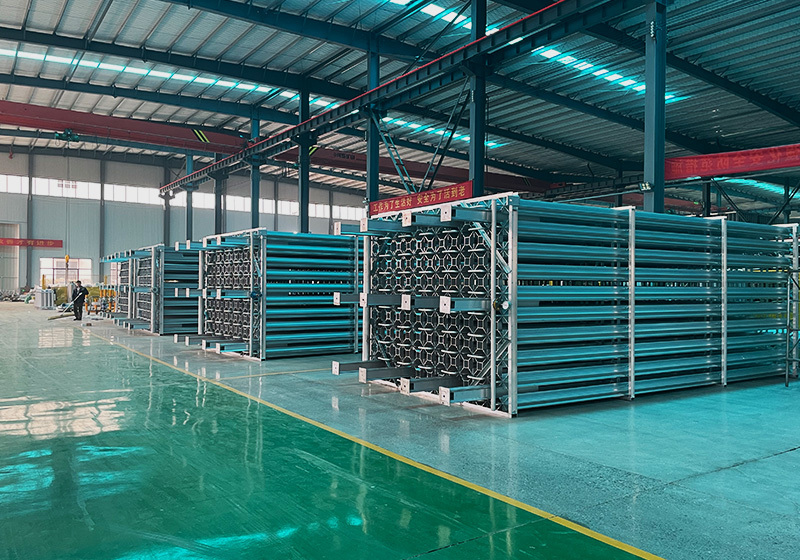
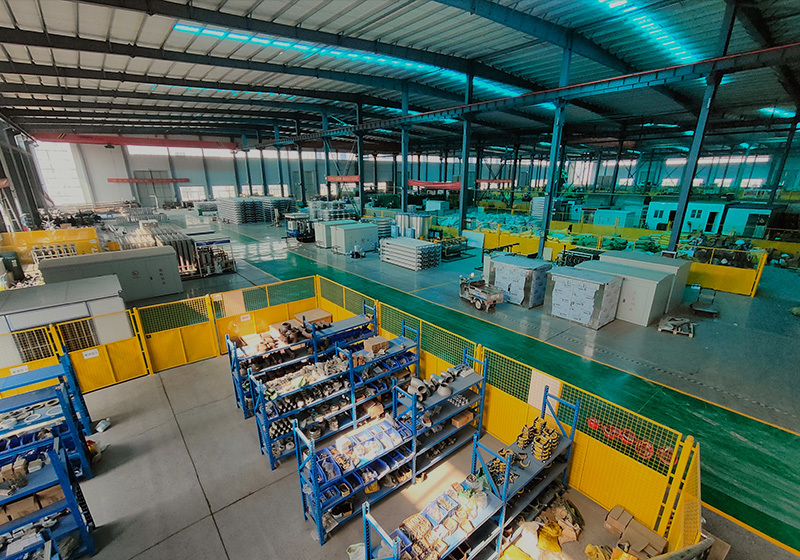
As a leading gas equipment manufacturer with over 20 years of export experience, Hebei Zhengxin Energy Equipment offers CE and ISO-certified gas odorizers customized for all flow rates and gas types. In practice, all our gas odorizers undergo 72 hours of factory pressure testing before delivery to ensure zero leakage and long-term corrosion resistance. We provide 12-month warranty, on-site installation support, and 24/7 technical response for global clients, with products available exclusively through www.gasequipment.com.cn.
Frequently Asked Questions
Q: How long does a gas odorizer last?
A: A high-quality properly maintained gas odorizer can last 15 to 20 years. The core tank and body typically last longer, while injection pumps and valves may need replacement every 5 to 8 years depending on usage and environmental conditions.
Q: Can a gas odorizer work with sour natural gas?
A: Yes, if it is constructed with high-grade corrosion-resistant materials such as 316 stainless steel. Hebei Zhengxin offers specialized sour gas-grade gas odorizers that withstand high sulfur content without premature degradation or leakage.
Q: Do I need a professional to install a gas odorizer?
A: Yes, installation must be completed by a certified gas system professional to ensure correct calibration and compliance with local safety regulations. Most manufacturers including Hebei Zhengxin offer professional installation guidance or on-site support for large projects.
Q: How much does a new industrial gas odorizer cost?
A: The cost ranges from $1,500 for small bypass models to over $10,000 for large automated electronic injection models, depending on capacity, materials, and any custom requirements for your operation.
This article was generated by AI and is for reference only.
Contact Us
E-mail :
hbzx@gasequipment.com.cn
E-mail :
sales@gasequipment.com.cn
Phone/WhatsApp/Wechat:
+86-15810525255
Address:
East of Fenghuang Road, Nangong City, Xingtai City, Hebei Province, China
Tel/WhatsApp
E-mail: hbzx@gasequipment.com.cn
E-mail: sales@gasequipment.com.cn
WhatsApp: +86-15810525255
Add: East of Fenghuang Road, Nangong City, Xingtai City, Hebei Province, China
Request Quote
Get a free quote