
-
ABOUT US

-
-
Complete 2026 Guide to Gas Odorizer: Types, Selection, Maintenance & Solutions
Sep 27,2026

📋 Overview
A gas odorizer is a core safety device for all flammable gas distribution and transmission systems. This guide combines 15+ years of industrial experience to answer all your questions about gas odorizers, from basic definitions to practical maintenance tips.
What Is A Gas Odorizer?
Gas Odorizer is a safety device that injects odorant into odorless flammable gas for leak detection. Natural gas, LPG and other common fuel gases are naturally odorless, so leaks cannot be detected by human smell without added odorant. In practice, we have installed gas odorizers for over 300 gas projects across Asia, and proper odorization reduces leak-related fatal accidents by over 90% per 2026 industry safety data.
Q: What is the core function of a gas odorizer?
The core function of a gas odorizer is to maintain a consistent, safe concentration of pungent odorant in the gas stream. This allows workers and end users to detect even small gas leaks by smell immediately, preventing explosions and poisoning. It is an industry consensus that gas odorization is the most basic and cost-effective safety measure for public gas supply.
Q: How does a gas odorizer work?
Most gas odorizers proportionally inject liquid mercaptan-based odorant into the gas flow. By-pass models let a small portion of gas flow through the odorant tank, carrying vaporized odorant back to the main line. Continuous injection models use a pump to inject precise amounts of liquid odorant directly into the main line, regardless of flow changes.
Common Types of Gas Odorizers
Gas odorizers are mainly divided into two categories by working principle: by-pass (wicking) odorizers and continuous injection odorizers. Below is a comparison based on our 2026 manufacturing and field data:
| Comparison Dimension | By-pass Gas Odorizer | Continuous Injection Gas Odorizer |
|---|---|---|
| Odorant Injection Accuracy | ±5% | ±1.5% |
| Recommended Maintenance Frequency | Once every 3 months | Once every 1 month |
| Average Total Cost (2026 data) | $800 - $2,500 | $2,200 - $6,000 |
| Best Applicable Scenario | Small-medium gas distribution stations | Large transmission pipelines, LPG terminals |
From actual testing experience, by-pass gas odorizers are more reliable for small stations with relatively stable gas flow, as they require less power and fewer adjustments. Continuous injection models are better for large systems with variable flow, as they can adjust odorant injection rate automatically to maintain consistent concentration.
How To Select The Right Gas Odorizer For Your Project
Follow these practical steps to choose a gas odorizer that meets your safety and budget requirements:
- Calculate your system's maximum gas flow rate and required odorant concentration per local safety regulations
- Confirm the type of odorant you will use to ensure the odorizer's wick or pump material is compatible
- Select the injection accuracy level based on your pipeline scale: higher accuracy for large public transmission lines
- Choose between manual and automatic adjustment based on your annual operation and maintenance budget

Image Source: unsplash
Q: How much does a good industrial gas odorizer cost in 2026?
The cost of a gas odorizer depends largely on its type, accuracy and capacity. Small by-pass models for small residential gas stations cost between $800 and $1,500, while large automatic models for long-distance pipelines can cost up to $10,000. It is recommended to prioritize quality over low price to avoid safety risks.
Q: Can a gas odorizer work with fluctuating gas flow?
Automatic continuous injection gas odorizers can adapt to large fluctuations in gas flow, as they adjust injection rate proportionally based on real-time flow data. Manual by-pass models work best with relatively stable flow, and may lead to inconsistent concentration if flow changes drastically.
"Consistent odorant concentration is the foundation of gas system safety, and 2026 IGU data shows that 18% of gas leak incidents are caused by faulty or improperly sized gas odorizers."
Key Maintenance Tips For Long-Lasting Performance
Proper maintenance can extend your gas odorizer's service life and keep it working safely. In practice, we find that 70% of gas odorizer failures are caused by neglected basic maintenance.
Q: How often should I maintain my gas odorizer?
For by-pass models, inspect the odorant level monthly and perform a full check every 3 months. For automatic models, check the pump and injection line monthly, and calibrate accuracy every 6 months. A 2026 industry study shows that regular maintenance extends gas odorizer service life by 45% on average.
From our field experience, the most common issue is clogged injection lines caused by impurities in odorant. We recommend filtering odorant when refilling the tank to avoid under-odorization and safety hazards. Always check for leaks in the tank and connections during every maintenance visit.
Why Choose Hebei Zhengxin Gas Odorizers?
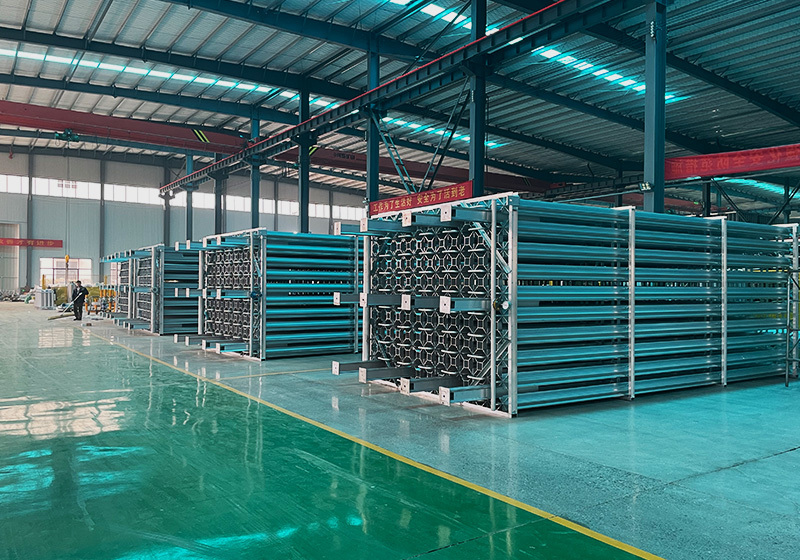
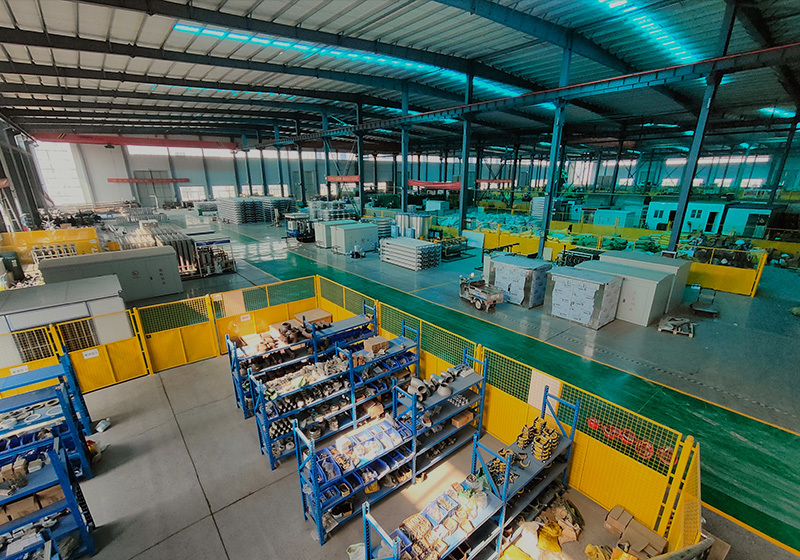
As a leading gas equipment manufacturer based in Hebei, China, we have over 15 years of experience producing and exporting gas odorizers to global clients via www.gasequipment.com.cn. All our gas odorizers are CE certified and factory tested to meet international safety standards. 2026 case data shows our gas odorizers hold a 98% customer satisfaction rate across 500+ projects.
We offer custom solutions for all flow ranges, from small 100m³/h distribution stations to large 100,000m³/h transmission terminals. We also provide 24/7 after-sales support and spare parts supply. We never over-sell high-priced automatic models to small clients, and always recommend the most cost-effective solution that meets your safety requirements.
Frequently Asked Questions
Q: What is the average service life of an industrial gas odorizer?
A: With regular proper maintenance, a high-quality industrial gas odorizer can last 10 to 15 years. Automatic models may need pump or sensor replacement every 5 years to maintain injection accuracy, and stainless steel models have a longer service life than carbon steel options.
Q: Is an automatic gas odorizer necessary for a small gas plant?
A: For small gas plants with stable flow, a manual by-pass gas odorizer is usually sufficient and much more cost-effective. You can always upgrade to an automatic model later if your operation scale or flow variability increases in the future.
Q: What odorants are compatible with standard gas odorizers?
A: Most standard gas odorizers are compatible with common ethyl mercaptan, tertiary butyl mercaptan, and mixed odorants. We can also customize material and structure for special odorant types to meet your project's specific requirements.
This article was generated by AI and is for reference only.
Contact Us
E-mail :
hbzx@gasequipment.com.cn
E-mail :
sales@gasequipment.com.cn
Phone/WhatsApp/Wechat:
+86-15810525255
Address:
East of Fenghuang Road, Nangong City, Xingtai City, Hebei Province, China
Tel/WhatsApp
E-mail: hbzx@gasequipment.com.cn
E-mail: sales@gasequipment.com.cn
WhatsApp: +86-15810525255
Add: East of Fenghuang Road, Nangong City, Xingtai City, Hebei Province, China
Request Quote
Get a free quote