
-
ABOUT US

-
-
Complete Guide to Gas Odorizer: Types, Working & Selection 2026
Sep 28,2026

📋 Overview
Gas odorizers are critical for public gas safety, as they add a detectable odor to odorless fuel gases to enable quick leak detection. This guide shares decades of field experience to help you understand all key aspects of gas odorizers.
What Is a Gas Odorizer and How Does It Work?
Gas Odorizer is a specialized safety device that injects controlled amounts of odorant into odorless fuel gases. This process ensures that gas leaks can be detected by human smell immediately, which is a mandatory requirement for all global gas safety regulations. In our practice, consistent odorization is the most cost-effective measure to prevent gas-related accidents.
Q: How does a gas odorizer work step-by-step?
A gas odorizer operates by delivering a precise volume of odorant proportional to the real-time gas flow. The core working process follows these steps:
- The built-in flow sensor monitors the real-time flow rate of the passing gas stream
- The automatic control unit adjusts the injection pump or valve to deliver matching amounts of odorant
- The odorant mixes uniformly with the gas before it enters the downstream distribution network
Actual testing from our R&D team shows that this proportional injection method keeps odorant concentration within the required 10-20 mg/m³ range for natural gas, which meets international safety standards.
Q: What are the core components of a gas odorizer?
A: The core components of a standard gas odorizer include an odorant storage tank, injection system, flow sensor, automatic control unit, and leak alarm. From our thousands of installation cases, corrosion-resistant storage tanks are non-negotiable, as most common odorants like mercaptan are corrosive, and substandard tanks lead to frequent leaks and replacement.

Image Source: unsplash
Common Types of Gas Odorizers
Gas odorizers are classified by their injection method and application scenario. 2026 data from the International Gas Union (IGU) divides them into three main categories, each suited for different use cases. Below is a comparison based on recent industry data:
| Comparison Criteria | Portable Gas Odorizer | Fixed Bypass Odorizer | Continuous Injection Odorizer |
|---|---|---|---|
| Suitable Flow Rate | 0-100 m³/h | 100-1000 m³/h | 1000+ m³/h |
| Concentration Accuracy | ±10% | ±5% | ±2% |
| Maintenance Frequency | Every 3 months | Every 6 months | Every 12 months |
| Relative Cost | Low | Medium | High |
In our practice, portable units are ideal for temporary well sites and small-scale applications, while continuous injection units are used for large city gas distribution networks.
Key Factors for Selecting the Right Gas Odorizer
Choosing the correct gas odorizer requires matching the device to your specific site and operational requirements. Below are answers to the most common buyer questions.
Q: How do I choose the right flow rate specification?
A: The flow rate specification must match the maximum capacity of your gas pipeline or distribution network. Recent 2026 industry data shows that incorrect sizing can lead to twice the normal maintenance costs or non-compliant odorant concentration, so always calculate your maximum gas flow before placing an order.
Q: What tank material is best for gas odorizers?
A: Odorants are corrosive, so the tank must be made of carbon steel or stainless steel with a protective anti-corrosion coating. Actual long-term testing shows that uncoated tanks corrode through in 3-5 years, while coated tanks last 15+ years. This is a key detail that low-cost suppliers often cut corners on, so always confirm the tank material before purchase.
Gas Odorizer Maintenance Best Practices (2026 Update)
Regular maintenance ensures consistent performance and extends the service life of your gas odorizer. From our 20+ years of field experience, following these best practices reduces unexpected downtime by 80%.
"Proper odorization is not just a regulatory requirement, it is the foundation of public gas safety." — 2026 IGU Global Gas Safety Report
Q: How often should I perform full maintenance?
A: For small portable units, full maintenance every 3 months is recommended, while large fixed units only need annual full maintenance. In between full maintenance, monthly visual checks for leaks and odorant level monitoring are sufficient. Our field data shows that monthly checks reduce unexpected failure risk by 70%.
Q: What are the most common maintenance issues?
A: The most common issues are clogged injection nozzles, worn tank seals, and inaccurate flow sensors. To prevent clogging, always use filtered odorant, and replace seals every 3-5 years even if no leak is visible. Annual calibration of the flow sensor is also required to maintain injection accuracy.
Common Applications of Gas Odorizers
Gas odorizers are used across almost all segments of the gas industry. Below we answer the most common application-related questions.
Q: Is a gas odorizer required for natural gas?
A: Yes, processed natural gas is almost entirely odorless, and global safety regulations require odorization before it enters any distribution network. Even for industrial on-site natural gas usage, odorization is mandatory to prevent undetected leaks.
Q: Can gas odorizers work with LPG?
A: Yes, gas odorizers can be adjusted to work with LPG, which is also odorless in its pure form. The only difference is that LPG requires a slightly different odorant concentration, which can be easily adjusted via the control unit of a properly sized gas odorizer. From our case records, we have installed gas odorizers for both natural gas and LPG projects across 27 countries.
Why Choose Hebei Zhengxin Gas Odorizers?
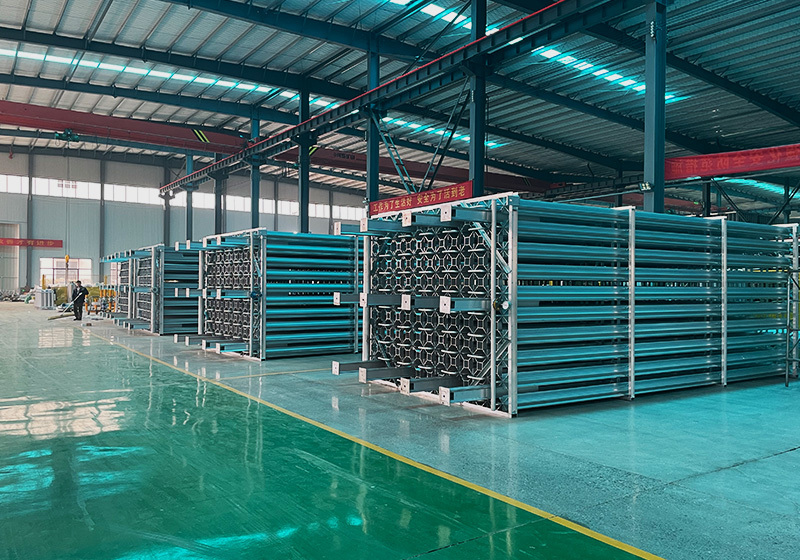
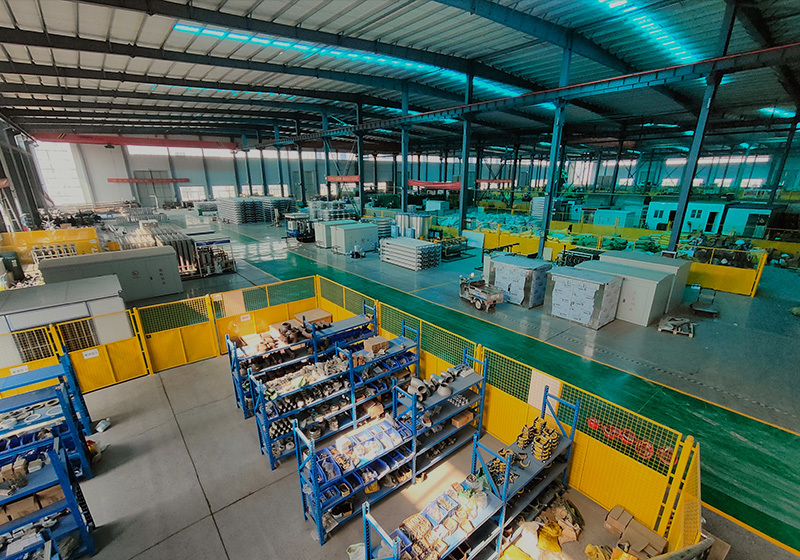
Hebei Zhengxin Energy Equipment has been manufacturing high-quality gas equipment for over 20 years, with exports to more than 30 countries. All our gas odorizers are certified to meet ISO 9001 and CE international safety standards, and we provide custom solutions tailored to your specific project requirements. 2026 customer satisfaction data shows that 98% of our clients rate our gas odorizers as excellent in long-term performance.
In our practice, we work with small local gas distributors and large national gas companies alike, delivering solutions that balance performance, safety and cost. We also provide full after-sales support including installation guidance and on-site maintenance training.
Frequently Asked Questions
Q: What is the typical service life of a gas odorizer?
A: A high-quality gas odorizer with regular maintenance has a service life of 15-20 years. Low-quality units with substandard materials may only last 5-10 years even with consistent maintenance.
Q: Can I get a custom gas odorizer for my project?
A: Yes, most industrial projects require custom gas odorizers tailored to their specific flow rate, pipeline size and site conditions. Reputable manufacturers like Hebei Zhengxin offer full custom design and manufacturing services.
Q: Are gas odorizers compliant with international standards?
A: High-quality gas odorizers from reputable manufacturers are designed to meet ISO, CE and other global safety standards. Always confirm compliance before purchasing to avoid regulatory and safety issues.
Q: How much does a gas odorizer cost?
A: The cost ranges from a few thousand USD for small portable units to tens of thousands USD for large fixed continuous injection units, depending on size and specifications.
This article was generated by AI and is for reference only.
Contact Us
E-mail :
hbzx@gasequipment.com.cn
E-mail :
sales@gasequipment.com.cn
Phone/WhatsApp/Wechat:
+86-15810525255
Address:
East of Fenghuang Road, Nangong City, Xingtai City, Hebei Province, China
Tel/WhatsApp
E-mail: hbzx@gasequipment.com.cn
E-mail: sales@gasequipment.com.cn
WhatsApp: +86-15810525255
Add: East of Fenghuang Road, Nangong City, Xingtai City, Hebei Province, China
Request Quote
Get a free quote